
 English

September 08, 2026
A CFO’s Perspective on Business and SustainabilityExplore how business and sustainability create value together for customers, shareholders and the environment.
Circularity reshapes how we design, source, use, and recover materials so they stay valuable for as long as possible. It helps reduce waste and emissions while improving efficiency, strengthening supply chain resilience, and creating new business value. By keeping products and components performing longer and returning materials to our production cycles, circularity helps deliver benefits for our customers, our operations and our long-term sustainability.
Making progress on circularity starts with a clear set of objectives — and the metrics we’ll use to measure success along the way. These targets highlight where we’re headed as we work to use materials more wisely and grow the impact of our circular solutions over time.
more circular materials by 20301
1Compared to 2019 baseline
of revenue from circular products and services by 20302
2 Based on full calendar year of 2029

Our circularity strategy helps drive greater value from every stage — by choosing more sustainable materials, designing and manufacturing products for durability and reuse and offering services that extend product lifecycles. By keeping resources in circulation longer, we help reduce waste, support sustainable business practices and help strengthen our bottom line.
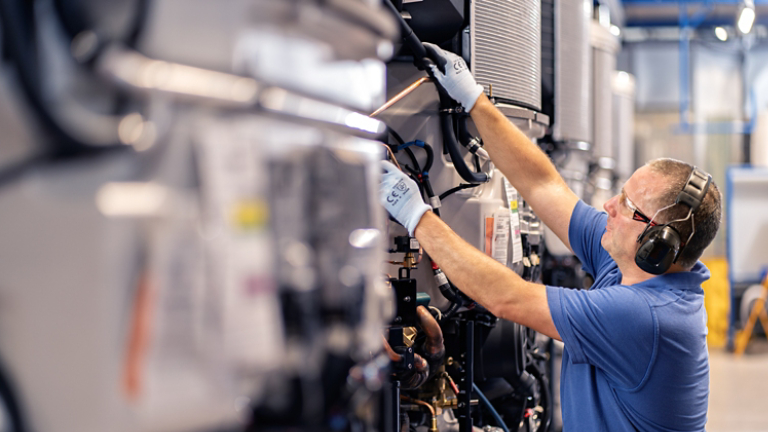
We design products with their full lifecycle in mind, making systems easier to repair, remanufacture and recycle. By planning for multiple uses from the start and building in circular economy principles, we help equipment last longer and reduce the need for new materials.
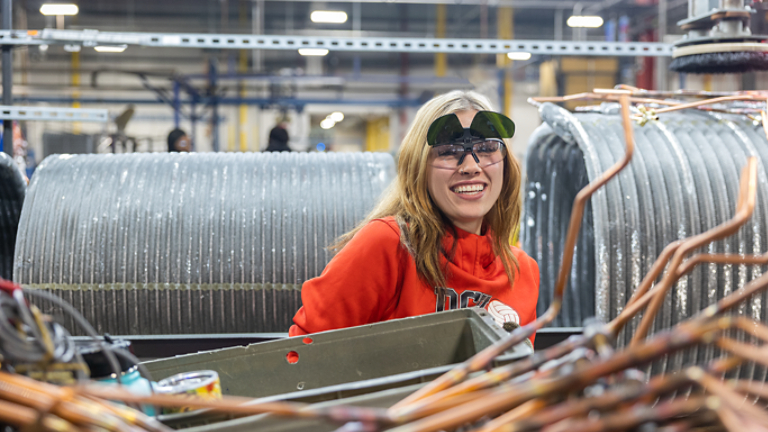
Smart material choices lower our overall footprint. We prioritize circular materials — inputs that are recycled, renewable, reused, recovered or remanufactured — and work toward a more circular supply chain. This helps us rely less on virgin, finite resources in our products and packaging.
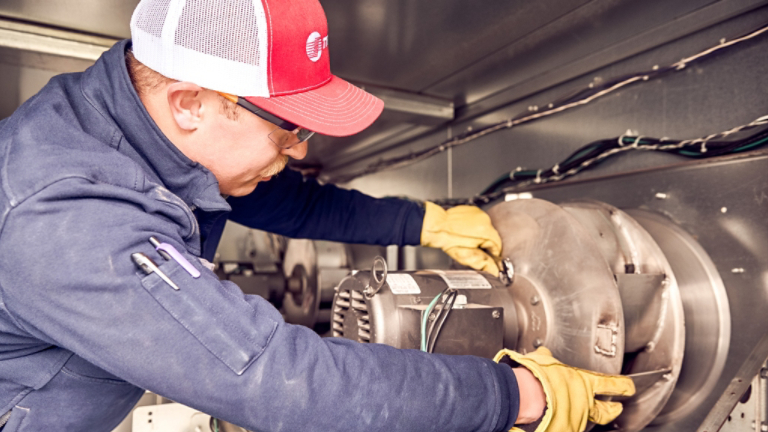
Extending product life begins with taking care of what we already have so equipment can run for as long as possible. Digital tools, preventative maintenance and overhaul services help systems need fewer replacements, minimize waste, and keep them performing efficiently.

Utilizing products, components and packaging repeatedly for their intended purposes without significant modification helps build a circular supply chain. By keeping resources in circulation, we help support a more resilient and sustainable economy.
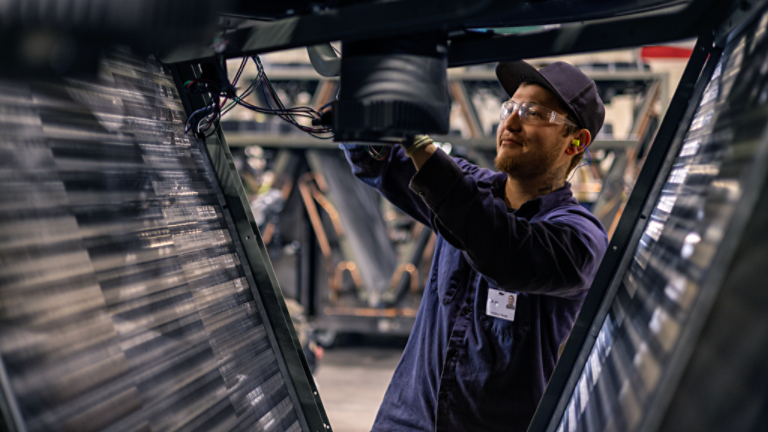
Returning products and components to a usable and intended state, helps maintain the value of products, materials and resources and it’s key to keeping materials in circulation. We remanufacture parts instead of replacing them with new and refurbished equipment. This approach helps reduce waste and extends the value of existing materials.
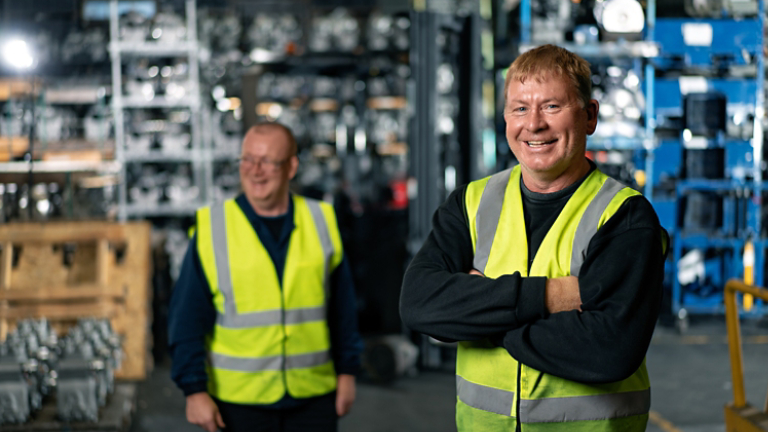
When materials reach their end of life, we recover and recycle as much as possible. That includes reclaiming valuable materials, recovering refrigerant, and reprocessing scrap material. This helps enable us to return resources to the value chain and supports a more resilient, circular system.
September 08, 2026
A CFO’s Perspective on Business and SustainabilityExplore how business and sustainability create value together for customers, shareholders and the environment.
August 04, 2026
Systems Thinking for Sustainable InnovationSustainable innovation requires more than isolated solutions. Systems thinking helps connect design, performance and energy use to unlock new opportunities for value creation.
July 14, 2026
AI and Sustainability: Digital Solutions for the PlanetAI and sustainability are rapidly converging. Learn how AI is helping reduce energy use and emissions while optimizing performance in the built environment, and how it can support climate resilience and biodiversity.
Circularity is a system that maintains the value of products, materials and resources in the economy for as long as possible and minimizes the generation of waste by ensuring products and materials are reused, repaired, remanufactured or recycled. Circularity supports Trane Technologies’ overall corporate sustainability strategy as a lever for how we will help decarbonize our value chain, strengthen our business performance and drive sustainable innovation for ourselves and our customers while helping to protect the natural resources our businesses and products rely on.
Material circularity focuses on keeping resources circulating longer and minimizing the generation of waste. The goal is to reduce dependence on new raw materials, support environmental sustainability and make better use of what already exists.
These offerings help organizations extend product life, recover materials and reduce waste while creating a positive impact in the value chain. They also give teams the ability to introduce new service-based offerings and circular products, which can help create long-term business and customer value.
An LCA looks at the impact of a product from start to finish, highlighting where improvements can make a difference. It supports informed decision making from the earliest stages of design and helps teams build circularity into products from the start.
An EPD is a third-party-verified report that shares clear, trusted data about a product’s environmental footprint in a consistent, comparable format. It supports accurate sustainability reporting and helps buyers make smarter, more informed choices.
Setting KPIs around circularity is important because they provide clear, measurable goals to track how efficiently we use materials and energy, which is critical as the global population and resource demands rise. KPIs help us shift from a traditional “take, make, throw away” mindset to a circular approach focused on reuse, recycling and sustainability. These indicators help drive accountability, innovation and continuous improvement, helping to ensure we are prepared for future resource challenges. Ultimately, these circularity KPIs help our business stay competitive, resilient and aligned with long-term business, environmental and societal needs.
Trane Technologies’ circularity impact metrics were developed in alignment with the World Business Council on Sustainable Development’s new Global Circularity Protocol (GCP), the first global voluntary framework for measuring, managing and communicating circularity impacts, which was announced at the United Nations 30th Annual Conference of the Parties in November 2025.
Circularity helps accelerate emissions reductions—especially across Scope 3 emissions that come from activities in a company's value chain—by decreasing demand for carbon-intensive materials and avoiding unnecessary production. By reducing the need for new raw materials and minimizing waste, circularity helps lower upstream and downstream impacts across the value chain. It’s a practical, meaningful way to support decarbonization goals and accelerate progress toward a more resource-efficient, lower-carbon economy.
You’ll find detailed updates, case studies and performance metrics in our latest sustainability report.