 English
February 03, 2026
Embodied Carbon: Opportunities and Solutions at Scale
Embodied carbon is the hidden environmental footprint of the built environment. Explore how suppliers, manufacturers and sustainability leaders can reduce that footprint through innovation and collaboration.

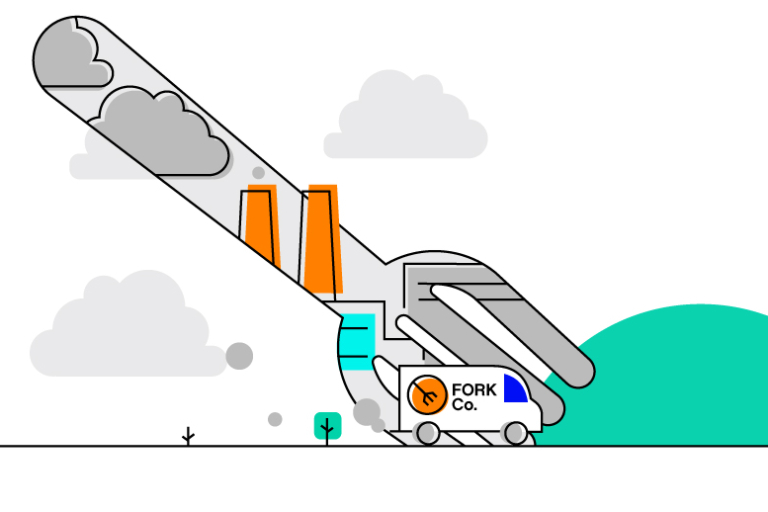
What exactly is embodied carbon? Well, think about an everyday item, like a fork, for instance. We use forks every day to eat, but we don't often think about the emissions and environmental impacts associated with making them. To create a fork, metals were extracted, then transported to a smelter that used heat and energy to melt and purify them. Then, the fork had to be formed and polished, and then packaged and transported to the customer who will use it. Eventually, it will be discarded or recycled. Each of those steps creates environmental impacts and emissions, which make up that fork’s embodied carbon.
In buildings, the same concept applies at a much larger scale. From the concrete, steel, wood and glass that form the structure, to the systems that bring power, water, heating and cooling to the space, every component has a carbon footprint created long before a new building first opens its doors.
Across our sector, we're seeing sustainable innovations that can help reduce embodied carbon throughout the built environment. From low-carbon steel used for HVAC solutions to new construction materials that could turn buildings into carbon sinks, innovative technologies and processes are making it possible to decarbonize challenging segments within our field.
For industry innovators and first movers, there has never been a better time to focus on embodied carbon.
Embodied carbon in the built environment
Embodied carbon is the term used to refer to all of the emissions generated by making, transporting and disposing of a product, whether it’s a fork or an entire building. Embodied carbon includes the total greenhouse gas (GHG) emissions of the entire lifecycle, including extraction, manufacturing, transportation, installation, maintenance and eventual disposal or deconstruction. The emissions created by actual use of an item or product are called operational carbon and are measured separately. Together, embodied carbon and operational carbon encompass the total carbon footprint of the item’s lifecycle.
Embodied carbon within the built environment is particularly complex. A building is composed of thousands of things, including structural materials like concrete and steel, exterior materials like glass, and all the systems inside: mechanical, electrical and plumbing.
The footprint of those systems can be significant, especially after factoring in the embodied carbon of repairs, maintenance and renovations over time. But with innovative new technologies and collaborations, we are making progress on reducing embodied carbon across our value chain.
We're addressing emissions from both sides, reducing the embodied carbon involved in making our products, while also making them more efficient to reduce the operational emissions.
Cal Krause
Operational Impacts Program Manager, Trane Technologies
Opportunities for embodied carbon impact: evaluating the supply chain
One of the biggest opportunities for embodied carbon reduction is through our supply chain. Trane Technologies works with a large network of suppliers, so we prioritize the highest-impact inputs and working together with the suppliers to reduce the embodied carbon of those materials. The first steps of collaborating with any supplier include understanding where they are, what strategies they already have in place and how we can help accelerate progress.
When we assessed the largest sources of embodied carbon in the materials we buy, metals like steel, aluminum and copper rose to the top. Metals are a practical starting point because the levers for improvement are relatively clear: shift to renewable electricity for manufacturing, improve energy efficiency in production, reduce high-emissions fuels and increase recycled content. Each of these steps can significantly reduce the embodied carbon of the final product.
We are also seeing momentum around innovative lower carbon steel options, including steel made with higher recycled content and produced in electric furnaces rather than traditional furnaces that rely on coal for fuel. To date, we’ve delivered over one million HVAC systems made with low-carbon steel, and have pledged to move to 100% net-zero steel by 2050.
Even daily decisions like transport choices can help cut embodied carbon. For example, Molly Swanson, a transportation management technology analyst at Trane Technologies, outlines how we now can use precise calculations for the emissions from ocean shipments to help in selecting carriers and making other decisions in planning for transport. “When we have that data, we're able to make better decisions to help reduce our emissions,” she says.
Sector-wide innovation
Trane Technologies is not alone in prioritizing embodied carbon reduction. Exciting innovations from a broad array of industries are resulting in better solutions. Nollaig Forrest, the chief marketing and corporate affairs officer at Amrize, the largest building solutions company in North America, notes that the built environment represents 40% of global greenhouse gas emissions, with about one quarter tied to construction and three quarters tied to building operations like heating, cooling and power.
Forrest emphasizes the opportunity to extend building lifespans through repair and refurbishment and advancing circular construction through recycling and upcycling materials at the end of life. “The technologies to make the building stock carbon neutral and even carbon positive actually exist today,” she says. “A big part of our challenge is to bring these solutions to market at scale.”
Forrest also highlights the importance of partnering across the value chain and unlocking value for customers with new solutions. For example, Amrize launched the low-carbon concrete brand ECOPact, which performs like traditional concrete but creates 30% less CO2. Other innovations include building materials that actually store carbon and technologies that turn captured CO2 into building blocks for cement and concrete. Each step forward moves our current and future built environment closer to sustainability.
Industry-leading sustainability commitments
At Trane Technologies, we have made reducing embodied carbon central to our strategy, committing to a 40% embodied carbon reduction by 2030. We are taking a practical, strategic approach to this goal, collaborating with our supply chain to identify alternatives and innovations that can lower upstream emissions and also increasing the recycled content of our key materials.
And, while reducing embodied carbon is key, the other side of the sustainability coin is operational emissions – the greenhouse gases created while the product is actually in use. We’ve pledged to help our customers eliminate a gigaton of carbon emissions by 2030 in our Gigaton Challenge, and we’re well on our way.
Accelerating decarbonization across the value chain
Once we understand the embodied carbon behind an everyday object, like a fork, it becomes easier to visualize opportunities for decarbonizing the built environment. If we can reduce the carbon footprint of materials and products while continuing to improve operational efficiency, we unlock sustainability progress and business value in multiple ways.
But, if we want to achieve these goals, we need to achieve progress on both embodied carbon and operational emissions. From working with key suppliers to source lower-carbon materials to increasing the operational efficiency of our products, we are impacting both sides of the equation to reduce the total carbon footprint of the built environment.
By collaborating with our suppliers, customers and industry peers, we can move faster toward a net-zero built environment. Together, we can turn today’s decarbonization goals into tomorrow’s measurable sustainability progress.
Embodied Carbon: First Movers of the Built Environment
The future is ours to create.
Explore careers that make an impact at Trane Technologies
Topic Tags