
 English
March 18, 2026
What Is Decarbonization? From Roadmap to Measurable ROIA concise primer on the what, why and how of decarbonization, highlighting strategies and technologies that can help organizations lead in a low-carbon economy.
More than half of global emissions come from buildings and transport — two of the sectors we serve. That puts us in a strong position to help drive decarbonization around the world by improving how systems across these industries operate every day. Our climate technologies can help lower operating costs while delivering operational reliability, efficiency and measurable results.
Reducing carbon emissions requires bold action, starting with reducing energy demand wherever possible. Because we work in buildings and refrigerated transport every day, we’re able to drive decarbonization where it matters most. The results show up in measurable progress organizations and individuals can see and build on.
Since 2019, we've reduced emissions from our customers' footprint and our own operations.
See our progress in our Sustainability Report
metric tons of CO2e reduced from our customers' carbon footprint
since 2019
since 2019
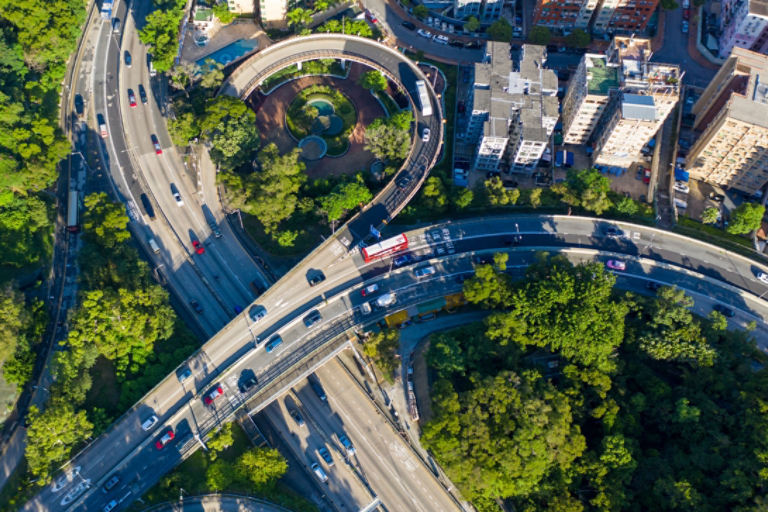
We approach decarbonization as a disciplined, performance-driven effort. That means combining clear carbon-reduction strategies with financial returns and transparent progress tracking, so sustainability delivers real, lasting impact.

Carbon reduction takes a combination of approaches working in sync. Improving efficiency, shifting to cleaner energy sources, optimizing system performance and reducing the impact of refrigerants each play a role. Together, these levers make emissions reductions more practical, durable and easier to sustain over time.

Decarbonization isn’t just about meeting climate goals — it’s also about running more efficient, resilient operations. Reducing emissions tends to result in lower energy use, reduced operating costs and stronger system performance. When approached thoughtfully, decarbonization can help individuals and organizations manage risk, plan with confidence and create long-term value.

Measuring progress helps make decarbonization efforts more effective. By focusing on real-world performance, organizations and individuals can better understand what’s working and where adjustments can make the biggest difference. Tracking outcomes over time also supports transparency and helps ensure emissions reductions are meaningful, lasting and aligned with long-term goals.
As a purpose-driven global climate innovator, Trane Technologies is taking urgent action to decarbonize heating and cooling — sectors responsible for more than half of global emissions. Sustainability isn’t separate from our strategy. It is our strategy, powering how we grow, innovate and lead.
Our Climate Transition Plan (CTP) outlines our science-based path to net-zero by 2050, turning bold commitments into measurable progress for our customers, communities and the planet.

March 18, 2026
What Is Decarbonization? From Roadmap to Measurable ROIA concise primer on the what, why and how of decarbonization, highlighting strategies and technologies that can help organizations lead in a low-carbon economy.
January 05, 2026
How Services Supports Retrofit Growth Across Asia PacificAcross Asia Pacific, demand for retrofits is rising as customers look for ways to improve the performance of their existing HVAC systems. With stricter energy efficiency regulations, aging infrastructure and a greater focus on sustainability, Trane Services teams are helping customers decarbonize, extend equipment life and strengthen operations through engineered retrofit solutions.

December 17, 2025
Industrial Decarbonization: From Silos to Systems - Rethinking Thermal ManagementTreating cooling and heating as siloed, disconnected systems is an outdated yet still common mindset that results in wasted energy, higher greenhouse gas emissions, and unnecessary costs. Industries can achieve substantial gains in efficiency, sustainability, and performance by transitioning to a unified thermal management approach.
Decarbonization is the process of preventing or reducing the amount of carbon emissions and greenhouse gases that enter the atmosphere by improving efficiency and rethinking how systems operate. For businesses, this includes transitioning to cleaner energy sources, electrifying systems and using innovative technologies to operate smarter.
Being carbon neutral means the carbon you put into the atmosphere is balanced by the carbon you remove or offset. Many sustainable businesses work toward carbon neutral goals by reducing emissions first, then using high-quality offsets for what they can’t eliminate yet.
Decarbonization is a core part of sustainability in business. By reducing emissions and improving system performance, organizations and individuals can make measurable progress toward environmental sustainability and long-term climate goals.
Heating and cooling affect carbon emissions because they require large amounts of energy to maintain comfort, safety and reliable operations. When that energy comes from fossil fuels, higher demand directly translates into higher carbon emissions.
Reducing emissions often goes along with improved efficiency, lower energy consumption and reduced maintenance needs. These improvements can help people and organizations manage day-to-day operating expenses more effectively.
Trane Technologies helps industries reduce emissions by improving system efficiency, integrating cleaner energy and applying system-level decarbonization strategies across buildings, transport and industry, including data centers.