 English
December 09, 2025
How Energy-Efficient HVAC Solutions are Balancing Carbon and Compliance in Pharma
Advanced HVAC technologies are enabling pharmaceutical and life sciences companies to meet stringent compliance standards while reducing energy use and carbon emissions.

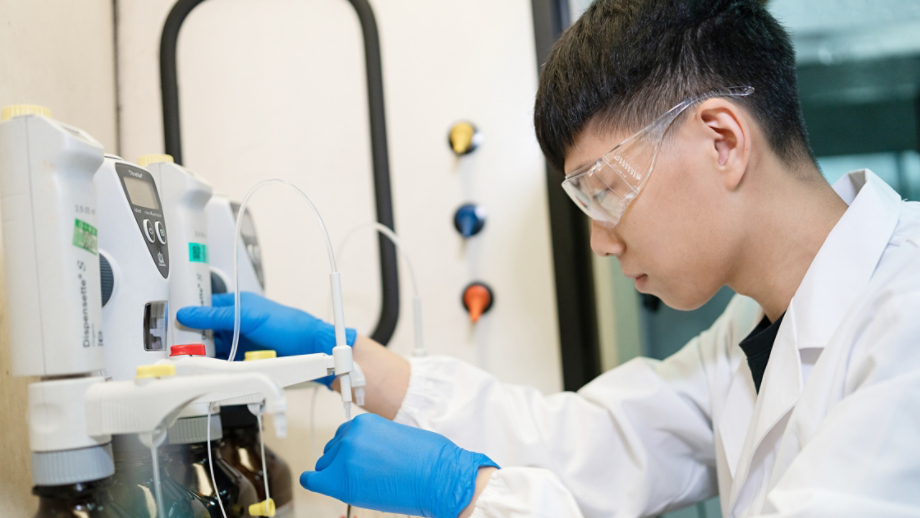
Few industries demand precision like pharmaceuticals. Yet, the same systems that guarantee compliance and product safety also drive some of the highest energy consumption rates. As sustainability expectations intensify, the sector confronts a challenge: how to meet rigorous standards while reducing carbon emissions. With heating, ventilation and air conditioning (HVAC) systems accounting for 50-75% of total energy use in pharmaceutical cleanrooms, achieving this balance is as technical as it is strategic.
The energy equation in pharma
Cleanrooms can consume up to 25 times more energy per square meter than standard commercial buildings. This extraordinary demand is driven by strict temperature, humidity and air-quality standards necessary to protect sensitive products like vaccines and biologics. In IVF labs, for example temperature and humidity stability is vital - even 2 °C deviations can cause embryo growth defects or increased metabolic stress.
Beyond product quality, employee safety is another important consideration. Proper ventilation, air filtration and climate control help protect workers from exposure to hazardous materials while maintaining a comfortable and safe working environment. Yet, the traditional energy-intensive systems required to adhere to the environmental controls under Good Manufacturing Practices (GMP) and ISO 14644-16 standards (required by regulatory bodies like the FDA, WHO and EMA) can often make sustainability goals appear unattainable.
Fortunately, this is changing thanks to advancements in HVAC technology designed to optimize energy use. Leveraging advanced controls, predictive analytics and real-time monitoring, companies like Trane Technologies are helping clients maintain precise climate control while significantly cutting energy waste. Emerging technologies are transforming how pharmaceutical facilities balance compliance and sustainability by combining low-GWP refrigerants, variable speed volume, variable speed drives, next-generation high-efficiency particulate air (HEPA) filters and ultra-low penetration air (ULPA) filters (designed to capture microscopic particles) and smart building automation to ensure that compliance remains intact as energy costs and emissions decline.
Balancing compliance, cost and carbon with innovation: the future of pharma
These outcomes aren’t constrained to any one country or geography. In Organon’s Oss facility in the Netherlands, Trane Technologies’ thermal management system with heat recovery has cut annual energy consumption by 7,700 gigajoules (the equivalent of 243,000 cubic meters of natural gas), helping the company advance its 2035 net-zero goal while maintaining GMP compliance.
In India, a leading global pharmaceutical manufacturer revolutionized its compliance process and HVAC efficiency through the electrification of heating and cooling systems, moving away from their traditional boiler with a state-of-the-art Trane heat pump. The heat pump's by-product of cooling has contributed to impressive annual energy savings, reduced the overall cooling demand and enhanced the system's efficiency.
These advancements demonstrate that compliance and sustainability in the pharmaceutical industry can, and must, evolve together as energy demands increase and sustainability directives intensify. By designing HVAC technology specifically to optimize energy use, life sciences organizations benefit with intelligent, energy-efficient systems that maintain exacting standards while measurably reducing their carbon footprint.
Topic Tags