 English
August 04, 2026
Systems Thinking for Sustainable Innovation
Sustainable innovation requires more than isolated solutions. Systems thinking helps connect design, performance and energy use to unlock new opportunities for value creation.

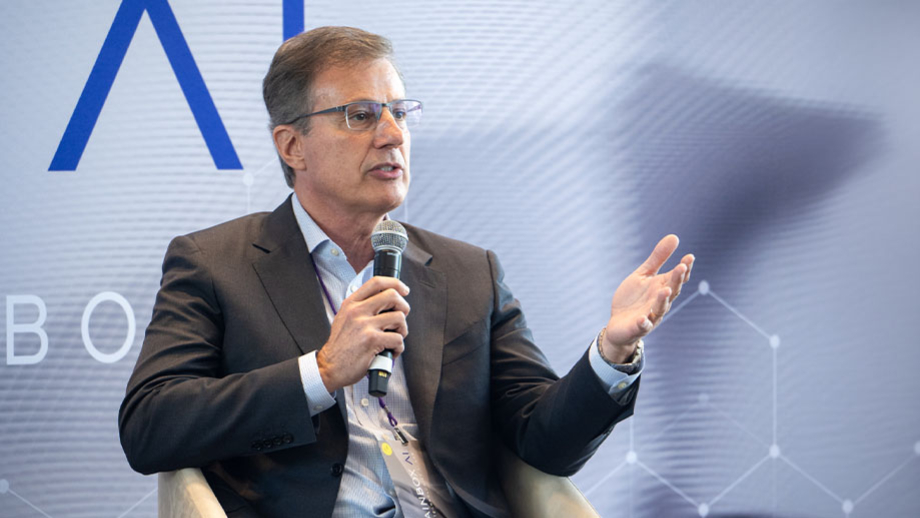
When it comes to the emerging needs in our built environment and infrastructure — such as complex challenges like data centers and growing energy demand — we can no longer afford to think in silos. The most effective solutions for sustainable innovation will come from connecting the dots with systems thinking and applying a broader, more integrated perspective.
Systems thinking requires a growth mindset, rooted in purpose and continuous learning. Today’s energy, infrastructure and data center demands look different when we stop seeing barriers and start seeing systems. Approaching sustainability with this lens can unlock new strategies and rewards. Innovation does not always come from isolated breakthroughs, but from connecting what already exists in smarter ways.
Rethinking the problem: perspective matters
Systems thinking helps uncover pathways and opportunities rather than obstacles. This shift in mindset and perspective is a foundation for innovation, opening the door to new approaches to value creation.
Complex energy and decarbonization issues can often feel overwhelming when viewed in isolation and there is no one technology or lever that “solves” sustainability. It is the sum of design choices, manufacturing processes, product performance and operational strategies. Meaningful impact occurs when these elements are considered together, connecting the dots to create innovative solutions. Systems thinking is the key to tackling those complex decarbonization challenges.
When you look at sustainability, you need to think about the entire system — how you design products, how you manufacture them and how they perform in the field.

Systems thinking is also a tool for better problem definition and resolution. Developing a discipline of asking better questions, continuous learning and cross-functional collaboration leads to smarter decisions and increases organizational resilience.
Systems thinking can transform waste into opportunity
One area where the benefits of systems thinking are easy to see is in energy optimization. For example, simultaneous heating and cooling within the same building has long been taken for granted. In a hotel, guest rooms may need to be cooled, and the excess heat from those rooms is vented outside. At the same time, in the same hotel building, fossil fuels are being burned to create the heat needed for kitchen and laundry facilities. Once we integrate systems thinking into this scenario, it becomes clear that we’re wasting costly energy when we could be recovering and using it.
Another example is found in data centers, which can generate enormous amounts of heat. Within many current data centers, the heat is just ejected into the atmosphere. But in some forward-thinking communities, that formerly wasted energy is being repurposed to warm homes and community facilities, or to heat water. What once looked like waste has become a valuable resource.
Beyond recovering previously wasted energy, there are systemic opportunities to make how we move and manage energy more efficient. Smart controls and connected intelligence allow us to leverage real-time data to make more informed decisions. From integrating weather forecasts to adjusting for peak electricity rates, better energy decisions lead to lower costs and improve environmental outcomes.
Efficiency gains like these come from looking at an entire system — a building, an industrial facility or a transport network — with fresh eyes, rather than just optimizing a single element. Stepping back to consider our systems holistically, then zooming out even further to consider what additional data could inform better decisions, can reveal valuable opportunities that siloed approaches miss.
A culture of purpose for sustainable innovation
Culture drives everything, from measurement systems to how employees feel when they come to work each day. What stands out at Trane Technologies is a healthy culture that is inclusive, open and supportive, creating an environment where systems thinking can thrive. That foundation supports industry-leading innovations that connect customer value, business growth and sustainability.
Our target of helping our customers avoid one gigaton of carbon emissions by 2030 is a unifying systems goal and a catalyst for change — it connects technological innovation with generating new value for our customers while helping create a culture of purpose, engagement and continuous learning within our company.
That culture manifests in other ways, too. The Trane Technologies Sustainability Ambassador Network is a nearly 1,000-member employee group driving progress toward our 2030 sustainability commitments. The voluntary group recently saw a 65% increase in engagement, proof that progress accelerates when purpose and action are clearly connected.
As we work to develop the next generation of sustainability leaders, our first cohort of managers is participating in a program that Trane Technologies co-developed with the Harvard Business School, focused on sustainable business leadership. Initiatives like these help create a deeply rooted culture around our mission, where everyone sees that they play a role in creating better outcomes for our company, our customers and the environment.
Sustainable innovation starts with systems thinking
Growth and sustainability are often framed as competing priorities. But as we’ve seen, systems thinking can help us find new opportunities to create value while also achieving sustainability objectives. From recapturing waste heat in hotels and data centers to leveraging smart controls to improve outcomes, rethinking the systems and processes we take for granted can deliver both better business outcomes and decarbonization progress.
Sustainable innovation is about building technologies and solutions that adapt and improve together, creating value while conserving resources. Systems thinking is an essential piece of that puzzle, fueling resilience, innovation and long-term growth. Opportunities emerge when we seek to understand the whole, not just the part in front of us.
The future is ours to create.
Explore careers that make an impact at Trane Technologies
Topic Tags