English
November 17, 2026
The Future of Smart Building Technology
Smart building technology is transforming how buildings operate, creating new opportunities to improve performance and sustainability.

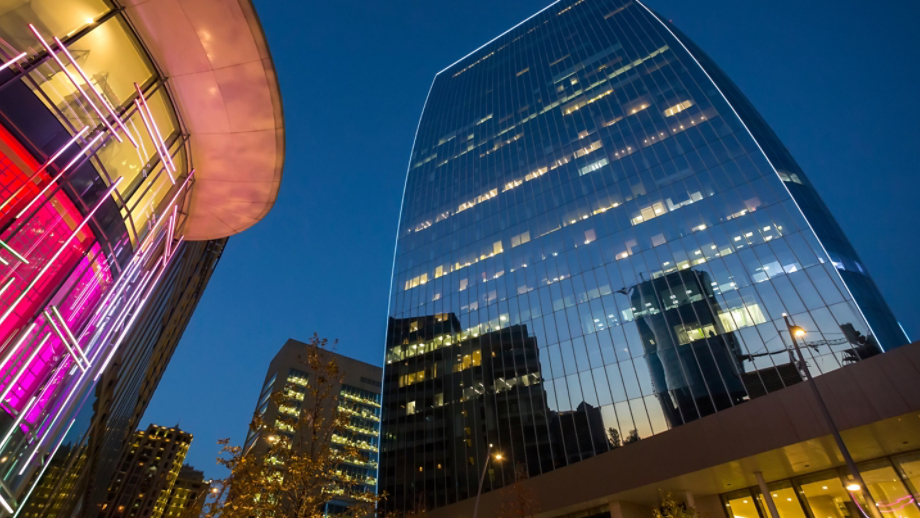
The buildings of tomorrow are taking shape today. From AI that predicts energy needs to connected systems that improve performance, new technologies are changing what buildings can do.
Innovations like these are particularly important in rapidly growing markets. In India, urbanization, economic growth and increasing energy demand are reshaping the built environment. In my recent Climate Samuri article, I explored how smart, connected building systems are helping transform India’s infrastructure.
And this opportunity extends beyond individual buildings. As smart building technologies evolve, they can help us unlock new opportunities to systemically manage energy more effectively, supporting both economic growth and decarbonization.
Smart building technology in practice
A smart building uses connected technologies, software, sensors and AI to analyze and optimize building performance in real time. By actively managing heating, cooling, lighting, and other building systems, smart building technology can help respond to changing needs in real time.
Intelligent HVAC plays a critical role in this transformation. The energy used in HVAC operations is often one of the largest cost centers in commercial buildings. Now, with tools like advanced sensors and building automation systems, we can monitor energy use, making continuous adjustments to reduce waste while maintaining comfort.
AI-enabled analytics can extend these capabilities. By identifying opportunities to optimize energy use based on factors like weather and occupancy, these tools can increase efficiency. AI-enabled solutions can also help anticipate equipment maintenance needs to help avoid disrupting operations.
The benefits of smart building technology extend beyond energy savings and maintenance. Smart buildings can help increase overall performance. Integrated technologies can help reduce operating costs, improve indoor environments and support better financial decisions about building assets.
Building smarter to meet growing energy demand
The opportunity to integrate these technologies is growing rapidly in India. According to the World Bank, the country’s urban population may reach over 950 million by 2050. This is creating growing demand for commercial buildings, housing and essential infrastructure.
Cooling is a particularly critical challenge. The International Energy Agency (IEA) projects that cooling needs could account for almost one-third of India’s peak electricity demand by 2030.
Meeting that demand sustainably calls for more than installing efficient equipment. It will require a systems-level approach that connects HVAC performance, building controls and energy management.
For example, intelligent HVAC systems can adjust cooling based on actual occupancy and anticipated weather conditions. Connected building equipment can coordinate across facilities, reducing energy waste while helping building operators manage periods of high demand.
In rapidly expanding markets, this approach creates a valuable opportunity: Integrating efficiency and intelligence into both existing buildings and new infrastructure to support sustainable growth.
The future of the built environment is not just connected. It is intelligent, adaptable and designed to create long-term value.

From efficient buildings to flexible energy use
Traditionally, buildings have consumed energy as needed, with limited consideration for the needs of the broader grid. But now, connected buildings can increasingly adjust when and how they use energy.
In a 2026 report, the IEA highlighted the potential of efficient, grid-interactive buildings in India to optimize energy use, reduce peak demand and align electricity use with renewable energy generation.
Building automation systems can help achieve those goals by responding to electricity prices, grid conditions and changing energy availability. Technologies like thermal energy storage can provide even more flexibility by shifting some power consumption to off-peak periods.
These capabilities create opportunities to reduce energy costs while supporting grid reliability and use of renewable energy sources. For India and other growth markets, smart buildings could become important partners in creating more flexible and resilient energy systems.
Turning building intelligence into business value
Smart building technology also creates an opportunity to rethink how facilities are managed through their lifecycle.
Building management systems generate valuable information about energy consumption, equipment condition, and how people use buildings. Bringing that information together can help organizations move beyond individual equipment decisions towards coordinated long-term asset management.
For example, AI-enabled systems can identify performance trends, set maintenance priorities and help owners evaluate when to upgrade or replace equipment. Connecting these insights with asset and portfolio management can help align sustainability goals with business performance.
This is an important evolution: the value of smart building technology lies not only in automation, but also in making better decisions across the building lifecycle.
Smart building technology and the future
As cities expand and energy needs evolve, the question is no longer just how to meet rising infrastructure demand. It is how to create a built environment that performs better, uses resources more responsibly and adapts to future needs.
India gives us a powerful example of this opportunity. By integrating smart building technology into our existing built environment, the country can help demonstrate how sustainable infrastructure can support economic growth.
At Trane Technologies, we see smart building technology as an important part of advancing climate innovation. The future of the built environment is not just connected. It is intelligent, adaptable and designed to create long-term value.
Learn how we are continuing to lead the way in climate innovation.
Read our latest Sustainability Report
Tomorrow is full of possibilities, and they're ours to engineer.
Ready to make an impact? Explore careers at Trane Technologies
Topic Tags