English
October 20, 2026
Speed to Scale: Building Data Centers That Evolve
Season 6 Episode 4: Data centers are being built at unprecedented speed and scale, but the bar for sustainability and reliability must keep pace with that rapid growth.
I want to encourage everybody to be open-minded to the new data centers that we are building and our peers are building, so that they can understand at a deeper level the benefits of these facilities and what they can do for everybody, and how we do it in a sustainable way.
And the challenge...over the next few years is, how do we continue to innovate at the speed that everybody wants to — from our teams and suppliers to your customers. This push for speed and optimization is exciting. So, I think for the next three to five years, we're not going to be bored at all.
Scott Tew: We're accelerating into a new era of advanced compute, and to get there, we will need next-generation infrastructure. But while we build for the demand, the technology is evolving.
Dominique Silva: Right, and not just that, but thermal environments are also becoming a lot more complex, and this is completely changing how we engineer for these spaces. But this also presents a huge opportunity for sustainable innovation, right?
Scott Tew: And that is the question. I mean, how do we deliver all this capacity and scale at the speed the market needs and keep sustainability at the center?
Dominique Silva: That's a big question and a lot of "ands." So who's going to help us answer it?
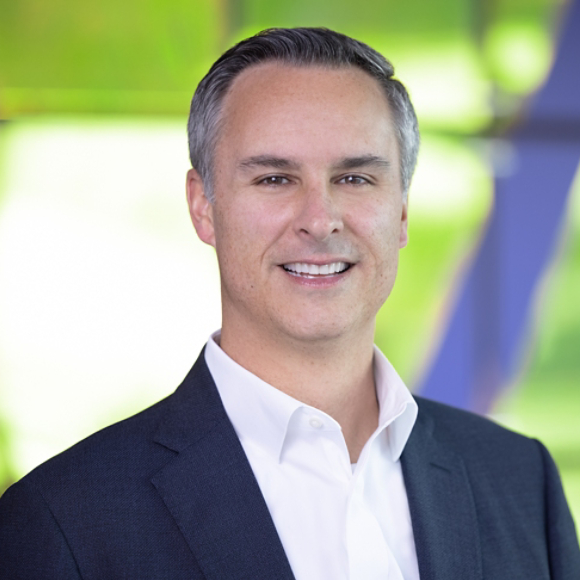
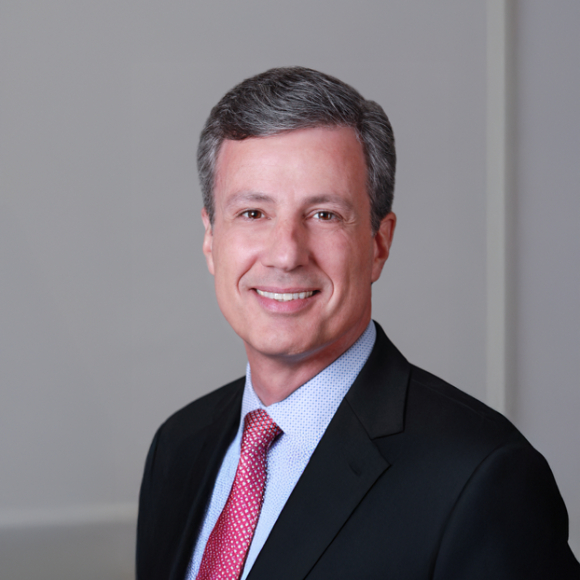
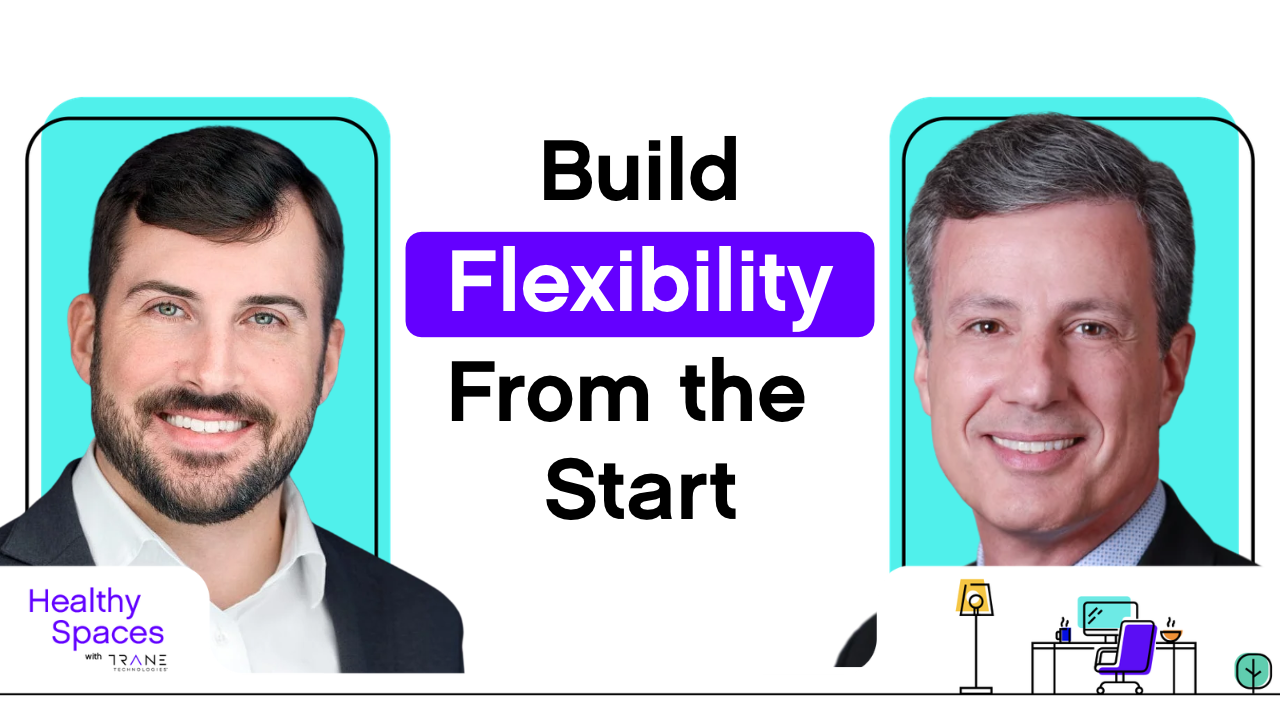
Scott Tew: We have two leaders at the frontier of data center innovation. Mauro Atalla, who's the chief technology and sustainability officer at Trane Technologies, and Mike Welch, who is the chief technology officer at Aligned Data Centers.
Dominique Silva: I'm Dominique Silva.
Scott Tew: And I'm Scott Tew, and this is "Healthy Spaces," conversations at the frontier of sustainable technology.
Mike Welch: It's interesting to think, just even a year or two years ago, the amount of projects that were one gigawatt in size, you could count on one hand or less. A lot of people don't even, I think, grasp how large a multi-gigawatt data center project really is.
So when you talk about a three-gigawatt data center campus, you're talking about the entire state of Rhode Island times two inside of one campus.
So the scale of what we're talking about today is just growing astronomically with the different needs of these customers, the advanced compute workloads, the demand from the end users who want to use these systems. And that's a new engineering challenge and a new development challenge that's nice to sit here and talk about.
Mauro Atalla: Yes, and I can just imagine, just the infrastructure that you need to support that type of compute infrastructure that's being demanded that is getting all this use and all the investments that go to put that together in terms of the supply chain that goes into creating this, all the work that needs to be done off-site, on-site to stand that up and do this in a way that's predictable and reliable and that delivers on what the customers are paying for.
Your job can't be that easy because you must be, like, on a schedule, and you have commitments and service-level agreements you need to deliver on, and you need to worry about everything coming together, right?
Mike Welch: Yeah, I call it five or six-dimensional chess at this point. It started as three-dimensional chess. We've grown a couple dimensions over the last few years when it comes to community engagement and the scale and then the speed of which our customers are looking for us to deliver capacity.
I mean, it used to be a conversation around, "When can I get my first megawatt online?" Now it's, "When is my last megawatt coming online?" And that last megawatt isn't a six-megawatt chunk; it's a 600-megawatt chunk.
And so when you think about repeatability and you think about standardization to drive the repeatability, and I'm happy you mentioned reliability, that's something that sometimes doesn't get captured in a lot of this, but we are building mission-critical infrastructure. Our customers rely on the quality of what we're doing to ensure that their workloads are protected so that they can provide those services to their customers.
And so managing all of those things is where you add those dimensions of chess. And I'd like to think my job is really to evaluate these options, understand the trade-offs between these decisions, and, in the end, come out with the right product set for Aligned that meets those customer needs while the speed of deployment is what they need, while making sure that the economics profiles is accurate at the highest quality. And that is a never-ending conversation these days.
Mauro Atalla: Yeah, I mean, you talk about six-dimensional chess. What we usually talk about in the company is more like systems thinking. You can't just be talking about your own system or problem. You need to step back and consider what happens in the factory, what's going to happen during transportation, like we're talking about. What's going to happen when it gets on-site and it's going to be assembled? How's it going to be operated, maintained?
You need to be thinking about all those things as you're designing and manufacturing and delivering the product. And it's not something that wasn't very common in the past. It's becoming necessary now.
I mean, you know this, but maybe not everyone knows. My background was in aerospace, and I tell people, we were chatting last night. The closest thing to aerospace that I've seen is this space where it's significant investment, pushing the boundaries of technology. You have to account for all these different objectives and constraints, and you have pressuring time, and you're innovating while you're doing this with a schedule. It's fascinating to see what's going on in the industry.
Mike Welch: And that's actually a little bit of Aligned's philosophies, is maybe similar to the airplane industry in that we want to be on the leading edge of technology and innovation, but we don't necessarily want to be out on the bleeding edge to where we can't look our customers in the eye and say that "This is a reliable, proven technology," that they can put tens of billions of dollars of GPU or IT equipment in our facilities.
And so that's a never-ending conversation to understand how we can be on that leading edge, making sure we're meeting the needs of advanced compute workloads while not pushing things out there that we can't stand behind.
Mauro Atalla: And one of the things that I believe is very important, and it works really well between our companies, is this concept of partnership, right? Just to build on what you said, we can't be at the bleeding edge. There is a risk profile that works for us, our customers, but at the same time, we want to be innovating. And the way to manage that is partnering.
It is sharing ideas, it's getting feedback, it's developing models, eventually developing prototypes, but gaining confidence over time so that when we decide that this new idea is ready, it's truly ready, it's going to work, and it's going to do something that your competitors won't have, our competitors won't have. That innovation, that partnership is essential.
And again, for those of you that are watching us, we're spending a day here visiting one of our factories. Our teams are next door brainstorming some of the concepts for things that are going to become a product two, three years from now. And that partnership is really, really important. I mean, you have to do this to be able to bring this all together, not just the thermal management side.
Mike Welch: I love how you kicked it off by saying "partners." That's exactly how we look at it. We could have all the best ideas in the world, but we need to convey and bounce those ideas off our partners so that we can understand what's actually truly feasible.
So innovation is a great front. We're talking about the next generation of cooling products and how they have to be sustainable from an energy perspective. Aligned is already waterless on heat rejection. We want to continue that. We want to also be able to support the advanced compute workloads and their transient performance and eventually move the temperature of our water networks up higher, which has these engineering challenges.
So you have this innovation portion that we're talking about. The hard part is how you scale that manufacturing, that production, and maintain that quality and make sure the economics are in the right place.
Mauro Atalla: You mentioned what it triggered me a thought. How have the data centers changed over the last five, 10 years in terms of water, clearly, is something we talk about a lot, energy availability? So how have you seen the solutions that go into data center change over time, and how's Aligned design its data centers today and going forward?
Mike Welch: Great question, really good question. And just for the listeners who maybe aren't super familiar with Aligned, we are a hyperscale and wholesale colocation provider. So we develop and operate the facilities, and we lease the compute and white space capacity to end users. And so we've got a little bit of a different role in the ecosystem than, say, a hyperscaler who is full stack. They have the development and they have the IT stack.
And so when we look at our product development, we look at making sure we can speculatively build data center product that meets sort of the lowest common denominator across our customer base. And so what we've seen over the last couple years, for sure, is, obviously, it's talked about widely, is the transition from fully air-cooled sort of capacity into what I call "hybrid environments," a hybrid environment being part liquid and part air. And the ratios of air to liquid can obviously change based on the chipset or based on the flexibility that an end user may want.
And that's driven innovation on our front with sort of the technology we've patented, which is really our Delta Cube and DeltaFlow technology on the heat absorption end. So with that push into sort of hybrid cooling environments, you obviously saw sort of an increase in densities.
I first started my career in 2011. Cabinet densities were a couple kilowatts a rack, and now we're into systems that are 200 kilowatts of cabinet position, and that's definitely driving the need for cooling changes. In addition to that, though, obviously, we're seeing a lot more drive to be a good steward of energy at the same time, from both a utility perspective and how we're using the energy.
So we're looking to demand response-type systems. A great example that we're doing is our battery plant out in Hillsboro, Oregon, which was done in conjunction with PGE, fantastic utility provider. So we had a deep understanding of their challenges, and Aligned brought solutions to the table to try to become a great partner, not just to get power for our facility, but also to stabilize their assets.
And so you're kind of seeing this confluence of the thermodynamics changing on the floor, which is driving some of the heat rejection changes and the transient performance of how we reject that heat. And then, obviously, you're looking at how you can be a solutions provider to our utility partners and what kind of technologies can we include to prove the grid resiliency and also potentially lower those energy costs.
Mauro Atalla: The one thing I noticed over that time period, too, is in the past, I mean, cooling is absolutely necessary for data centers because that's just the nature of what happens in a data center to generate heat. But in the past, you would see a lot of water being used to cool data centers. And today, that doesn't happen anymore. I know you as a customer, you have a rule that none of your data centers, they don't use water for cooling at all. And more broadly in the industry, we see everyone migrating towards air-cooled solutions for the chillers. So the water is not really a factor going forward for most of the data centers that are being designed.
And then from an energy perspective, much bigger emphasis on reducing the energy that's used for uses that are not computing. So like cooling, for example, or on the power side or the electrical distribution side on-site and so on. So there's a much bigger desire and push by you and your customers to ensure that everyone is maximizing every watt of energy that's available, that's not wasted at all. And that drives a bunch of technical challenges in trying to get to that optimal so you can be as efficient as you can be with whatever resources you have, whether it's energy, water, or whatever else. And that wasn't like that five years ago, right? Today is a whole different conversation.
Dominique Silva: Mauro and Mike just touched on a really big idea. When everything is moving this quickly, it changes where the moments of innovation is actually happening. It's no longer at the start of the project anymore. It's alongside deployment. It's happening at different phases. You have all of these things which are evolving, technology requirements, workloads, all this while the infrastructure is being built. It's like building a plane while it's flying, right?
Scott Tew: I mean, exactly. And that changes how we think about the future, right? We're not designing it for what we need today and adapting it later. Instead, we're having to think about where technology is going and then build flexibility in the system from the start. That is a huge shift in design in particular. We need to be resilient. We have to respond to the change needed today, but we have to also anticipate what's coming and what's needed in the future.
Dominique Silva: The future. And Mauro and Mike are actually looking quite differently at that future. So let's get back to the conversation and hear what's on the horizon.
Mauro Atalla: Let me ask you this. What do you think the challenges are going to be like come '28, '29, given what's happening in the industry, technology with chips and use cases and site locations? Where are we going to be like three, four years from now? What do you think we're going to be doing differently?
Mike Welch: I see a few trends I think that are gaining acceptance. One is certainly, let's say, high-temperature cooling. NVIDIA is obviously one of the first ones to be out there trying to push 45 degrees Celsius secondary fluid network temperatures. And I think other chip manufacturers and other workloads will also eventually start to accept some of those high temps.
When you start to get to those higher temperatures, you're lowering the entropy of the heat, right, making it some more useful energy for other applications. So like a holy grail for me for data center development is to eventually figure out ways to use this heat that's being generated for other applications, kind of like how Europe is able to use it in this district water heating, and US just doesn't have that same capability today. But as those water temperatures go up and up, we're going to be able to unlock more uses for that. With that, you also get the sustainability benefits just of energy consumption.
I also think we're going to be seeing increased acceptance of, shall we say, demand response solutions for the electrical providers. We're already doing, some of our battery projects are public, and we're looking to increase the amount of ways we can be, again, good stewards of energy and good utility assets. And I think that that's going to continue to eventually be the norm for a lot of data center communities.
And then, obviously, Aligned, we've always had a very community-focused approach to data center development. We want people to talk to us. We want people to understand how we do it. And I think we're going to see a continued overdrive and emphasis on that from Aligned and our competitors in the hyperscaler community. And what that's doing is it's opening up great conversations around, like you said, waterless heat rejection, educating folks on what that really means and how that does protect the local water sources, noise and how both of us are investing in technologies to reduce any sort of sound impacts from heat rejection component or other electrical components. And then you have just any of the impact on the development itself and how we could be good neighbors during construction.
Mauro Atalla: That's interesting. I mean, one of the trends that we're seeing outside the technical aspects of what may happen three years from now, it's a lot of questions about, "How are we training our technicians? How are we training the workforce?" And as a data center is built and operated, how do we upskill folks in the community to be able to have jobs monitoring some fairly sophisticated pieces of equipment?
We have this brand-new training center in North Carolina that you need to come visit that was designed by our technicians to train our technicians. And so we do a lot of that, and it's being used like every day, but that trend for thinking not just about the technology and what's inside the data center, but how it comes together, how it operates in the context of the community where it's located, I think that's going to continue to be, and that's going to be an additional driver of technology needs beyond just like a pure optimization of the electrical use, for example, water use. I think that there'll be other things, other challenges that we can't think about right now that are going to come up.
Mike Welch: Yeah, I really like what you're saying there in terms of, look, I mean, the scale again of these projects, the demand of these projects, I think it's well documented that there's a shortage of operators, technicians, riggers, electricians, panel assembly builders. And if we want to continue to provide these high-quality jobs and continue to grow this industry, we have to be investing in the people.
The easiest way for us Aligned to support that is obviously outside of our own operational bench, which we've got our own Aligned Academy. We are in these communities recruiting. We're trying to show people paths out of high school to very stable, very lucrative, high-paying jobs that I think are very rewarding. I think it's fun to actually be operating these data centers.
Mauro Atalla: They are incredibly sophisticated systems.
Mike Welch: They are. And it's mission-critical infrastructure, right? It's very different. And so I think it's rewarding, and I think bringing people into that industry is important to us. And from a supply chain perspective, Aligned's philosophy has been and will continue to be a USA sort of focused supply chain for our US projects.
Mauro Atalla: Look, I think we touched a lot of different topics from the past to the future, technical and not technical. Anything else you want our listeners to think about or go research or follow up on from the conversation we had, or any thoughts that you think that we didn't cover in the conversation?
Mike Welch: I think one thing that's important to address is people have concerns about these facilities in their communities, and they're valid when you look at the data center of the past. But I want to encourage everybody to just be open-minded to the new data centers that we are building and our peers are building so that they can understand at a deeper level the benefits of these facilities and what they can do for everybody and how we do it in a very sustainable way.
Mauro Atalla: The challenge I think is going to be over the next few years is how do we continue to innovate at the speed that everybody wants to or wants us to? Like you want from us, we want from my team, my suppliers, your customers from you, which is fascinating.
So back to jobs and everything that this enables, it is fascinating, everything from the people that are building these units to the people that are designing. It's extremely challenging, creative, rewarding. This space, this push for speed and optimization is very exciting. So I think for the next three, five years, we're not going to be bored at all, right? I think that's fair to say. (laughs)
Mike Welch: We wouldn't want it that way, I think, no, and—
Mauro Atalla: No, we can't, we couldn't, but it's going to be exciting.
Dominique Silva: Wow. What a conversation. And I love that for all the scale and complexity that they kept talking about, you could just hear how much they're enjoying this challenge. And I think I know why, right? It was clear that sustainable innovation is also happening through great partnerships.
Mike and Mauro both had a core focus, and that was to reduce energy and resource use. And the great thing is that this is actually really resulting in better infrastructures and more learnings that we can take to other industries as well.
Scott Tew: It's also an interesting parallel, Dominique, to what I see at Trane Technologies. As a sustainability leader, I do not work in a silo. I'm constantly in meetings with Mauro about next-generation technology, with Chris Kuehn, our CFO, or our chief digital officer, Riaz.
We put sustainability at the center of every conversation. It's never seen as an add-on. It's actually what we call a "disruptive platform." It's what allows us to both develop new solutions and to deliver strong business results. And that's how we achieve this speed and the scale that we've been talking about in this episode. Instead of trading off priorities, we can solve for all of them at once, delivering high-performance technologies and solutions, reducing environmental impacts, making sure that the investments in the space are both sustainable and profitable.
Dominique Silva: And that, Scott, is exactly what I would call a "triple win." A big thank you to Mike and Mauro for joining us on the podcast, and thank you for listening.
Scott Tew: This has been "Healthy Spaces" with me, Scott Tew, and my cohost, Dominique Silva. We're back in two weeks with another episode, so be sure to like and subscribe so you don't miss out.
Rethinking data center energy usage at scale
How can the data center industry scale at unprecedented speed while improving energy efficiency, reliability and sustainability? It begins with rethinking how teams design, manufacture, test and deploy infrastructure as technology continues to evolve throughout the life of a project. In this episode, we examine why flexibility, strong partnerships and systems thinking are critical to building data centers that can meet advanced compute demands while advancing sustainability and reliability.
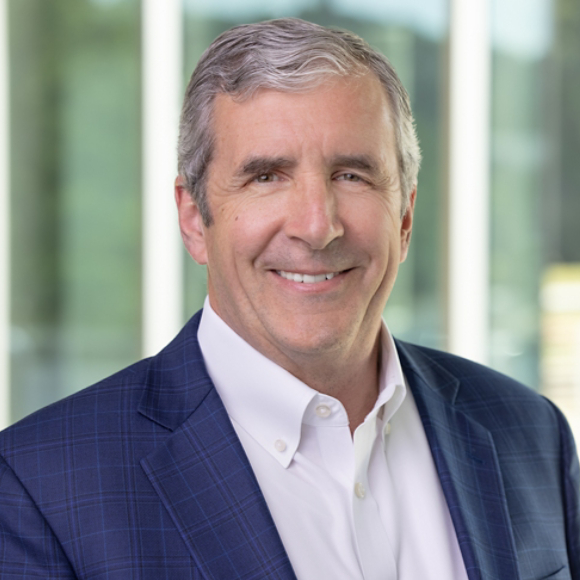
Mike Welch, Chief Technology Officer at Aligned Data Centers, joins Mauro Atalla, Chief Technology and Sustainability Officer at Trane Technologies, to discuss how the industry is responding to accelerating demand for new capacity. Together, they examine how hybrid cooling and waterless heat rejection are reshaping data center design, why higher-temperature cooling and waste heat recovery may unlock new efficiencies, and how greater participation in grid support could help data centers create broader value. Their conversation also highlights the importance of workforce development, community engagement and infrastructure strategies that allow performance, sustainability and business value to advance together.
Key moments
- 00:57 The growing scale of data center demand
- 02:14 Why data center development is like chess
- 07:58 How hybrid cooling is changing data centers
- 12:22 The next generation of data centers
Featured in this Episode:
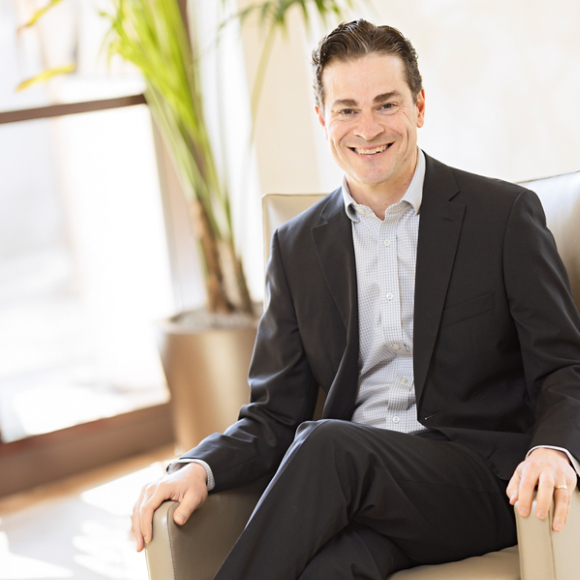
Hosts:
-
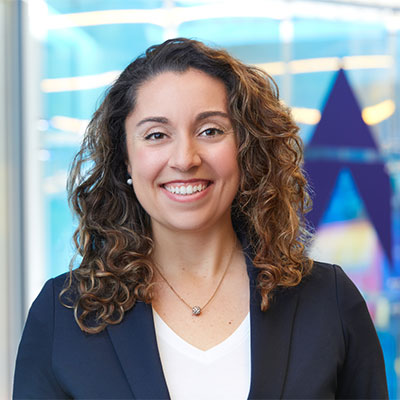
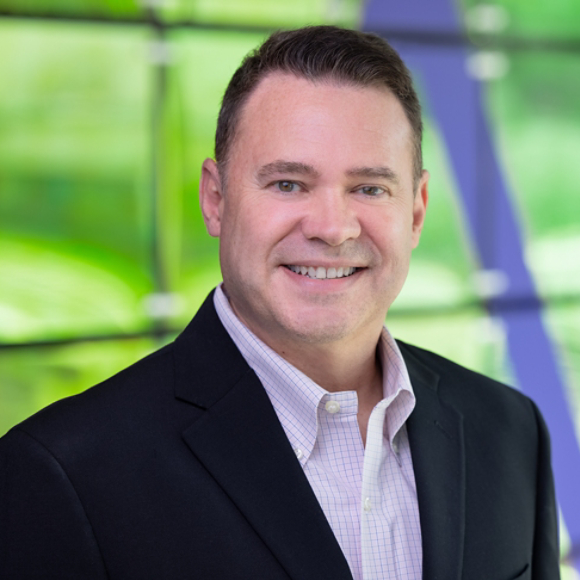
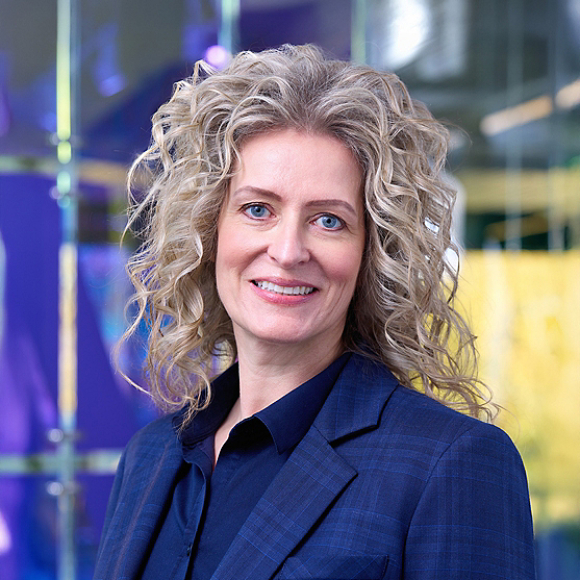
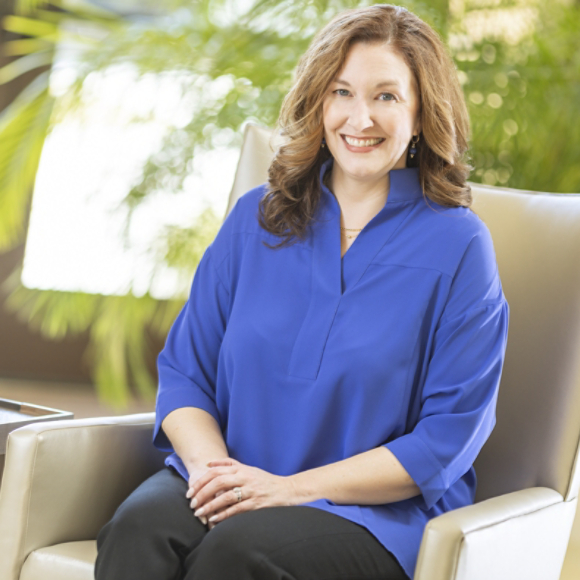
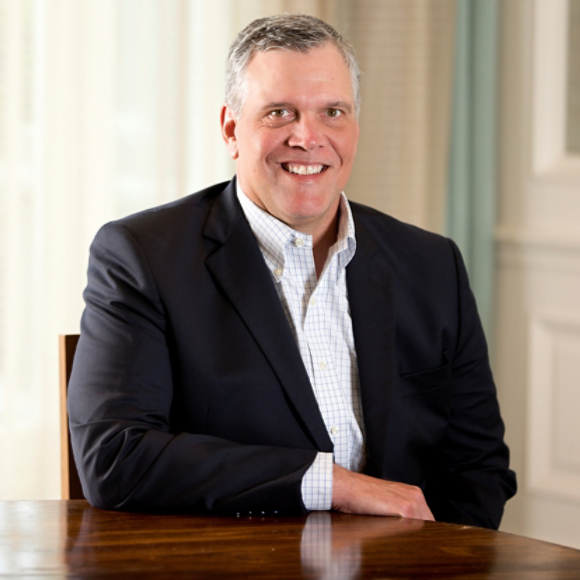
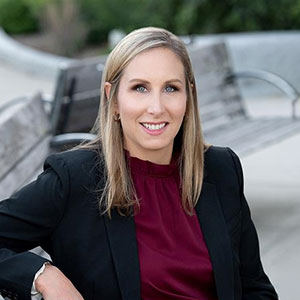
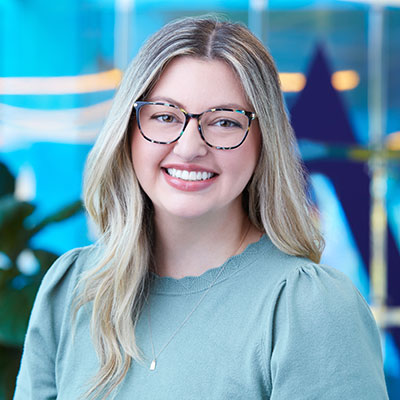
Marketing Leader EMEA, Trane Technologies
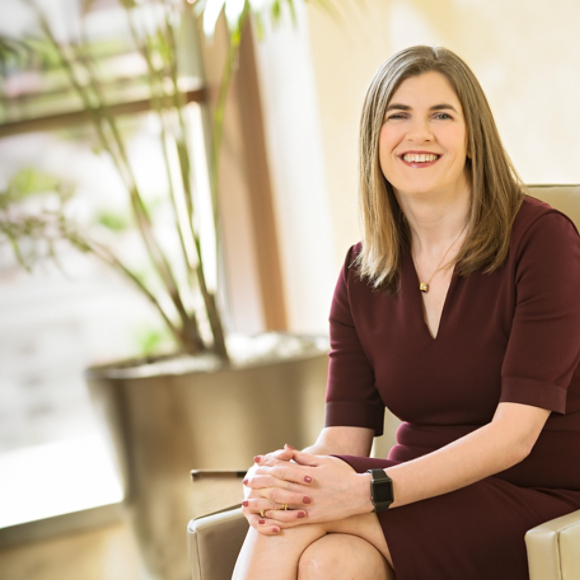
-
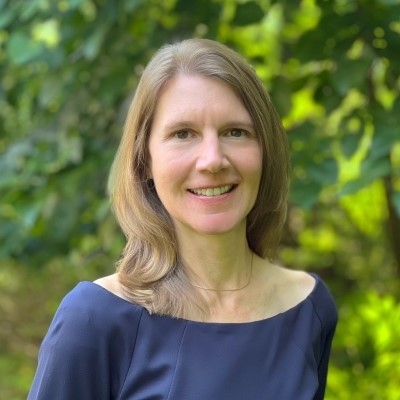
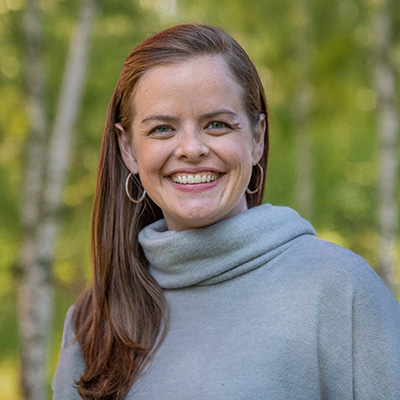
Global Head and VP, Sustainability Strategy, Trane Technologies
Guests:
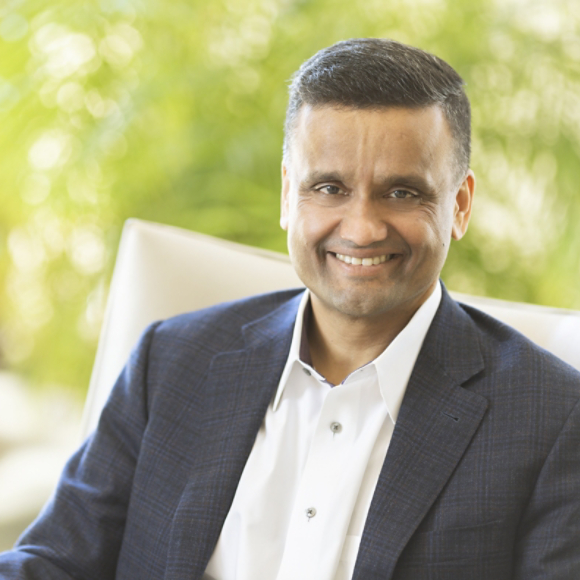
-
Senior Vice President and Chief Technology and Sustainability Officer, Trane Technologies
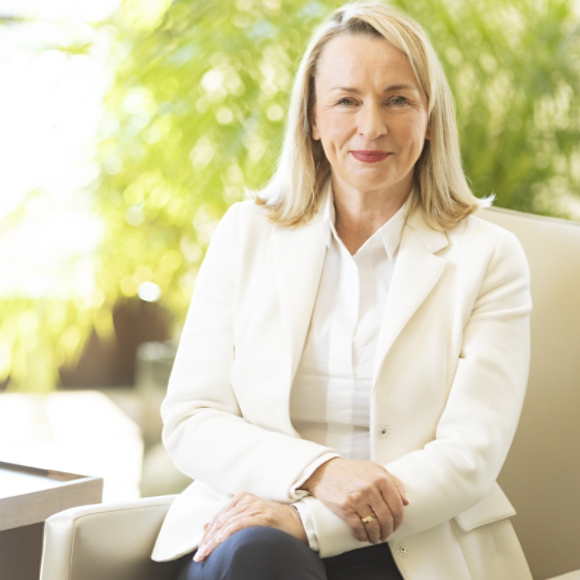
-
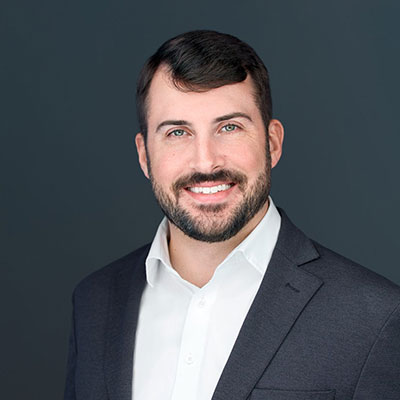
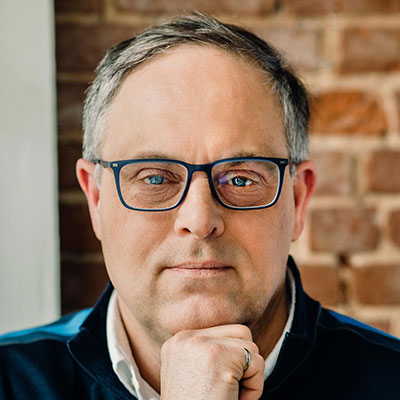
Chief Technology Officer, Aligned Data Centers

About Healthy Spaces
Healthy Spaces, a podcast by Trane Technologies, brings together engineers, innovators and industry leaders for bold conversations at the frontier of sustainable technology.
In Season 6, we zero in on the moment when innovation becomes infrastructure - when breakthroughs move beyond the lab and start transforming industries.
From pioneering AI research and next-generation data center cooling to climate-resilient cities and pathways to decarbonization, each episode explores the innovations at the cutting-edge of sustainable technology.
Designed for leaders, builders and anyone with a stake in the future of sustainable technology, the series offers a front-row seat to the ideas and innovations shaping what comes next.
The challenges are real. The solutions are being built now.




Topic Tags